5 MoMo Fraud Scams in Ghana — and How to Protect Yourself
KAMCCU Editorial · · 3 min read
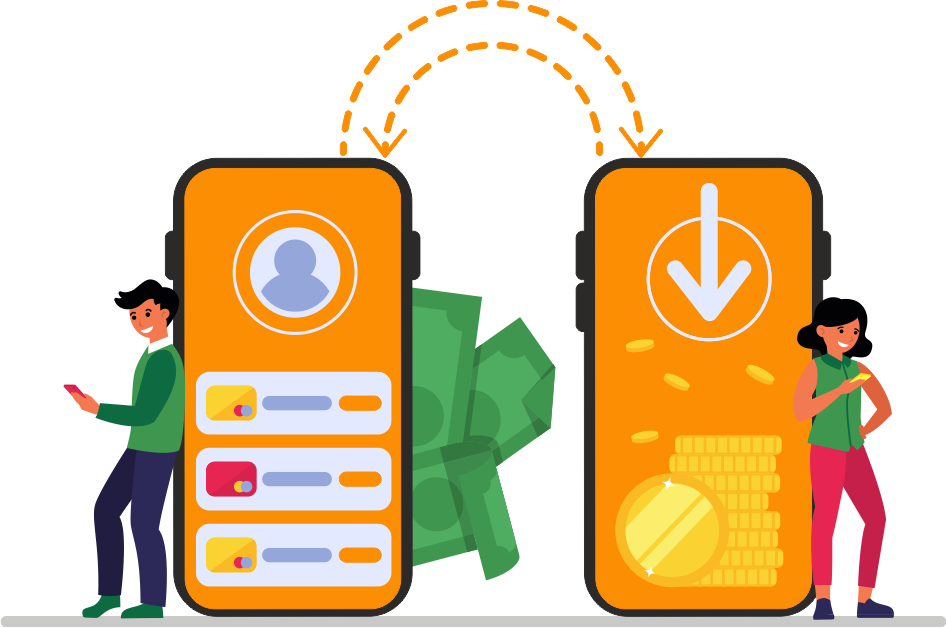
The five most common mobile money scams in Ghana are the fake reversal call, the false promotion or lottery win, SIM swap fraud, the fake agent or provider impersonation, and phishing links on WhatsApp and SMS. Every one of them depends on the same two mistakes: sharing your PIN, or acting quickly under pressure. Refuse both, and you defeat nearly all of them.
1. The fake reversal call
You receive a MoMo credit alert — or a message that looks exactly like one. Minutes later a caller says, "I sent money to your number by mistake, please send it back." The original alert was fake; if you "return" the money, you are sending your own.
Defence: check your actual wallet balance by dialling the official shortcode before acting on any alert. A real erroneous transfer is reversed by the network, not by you. Tell the caller to contact their provider and hang up.
2. The fake promotion or lottery win
"Congratulations! You have won GHS 5,000 in our promo. To claim, send a processing fee of GHS 200..." — or worse, "dial these codes so we can deposit your prize." The codes they dictate are transfer commands that empty your wallet.
Defence: you cannot win a promotion you never entered. Genuine promotions never require you to pay first or to dial codes you do not understand. Never dial a sequence a stranger dictates to you.
3. SIM swap fraud
A fraudster gathers your personal details, then convinces your network — or a corrupt agent — to move your number onto a new SIM they control. Suddenly they receive your calls, your OTPs and your MoMo access.
Defence: register your SIM with your Ghana Card only, guard your date of birth and personal details on social media, and treat a sudden, unexplained loss of network signal as an emergency. Call your provider from another phone immediately.
4. The fake agent or provider impersonation
Someone claiming to be from "MTN head office" or "MoMo support" calls about a problem with your wallet: it will be blocked, or needs an upgrade, or a suspicious transaction must be reversed. To "help you", they need your PIN or an OTP just sent to your phone.
Defence: one rule with no exceptions — no legitimate institution will ever ask for your PIN or OTP. Not your network, not your bank, not KAMCCU. The moment a caller asks, the conversation is over.
5. Phishing links on WhatsApp and SMS
A message offers loans with no interest, government relief, or a parcel awaiting delivery — just tap the link and enter your number and PIN. The site is a costume; your details go straight to fraudsters. These links also spread through hijacked WhatsApp accounts of people you know.
Defence: never enter your MoMo PIN on any website. Verify strange requests from friends by calling them. If a loan offer arrives by broadcast message, it is bait.
Build habits, not just awareness
- Set a PIN nobody could guess — not your year of birth — and share it with no one.
- Keep only a spending float on your wallet; keep savings in an account.
- Slow down. Every scam script manufactures urgency, because calm people check.
That last habit is where a credit union helps. KAMCCU members move savings off their wallets and into accounts that earn interest, then use mobile money deposits to top up savings from anywhere in Ghana or abroad. A fraudster who compromises a wallet holding GHS 100 has stolen an inconvenience — not your future. And if something ever does go wrong, report fast: call your network's fraud line immediately, then the police, with transaction IDs in hand. Uncashed funds are sometimes frozen in time — but only for victims who move within minutes, not days.
Frequently asked questions
What should I do immediately if I have been scammed on MoMo?
Call your network provider at once (MTN 100, Telecel or AT customer lines) to report and request a freeze on the transaction, then report to the nearest police station with the transaction details. Speed matters — funds that have not yet been cashed out can sometimes be recovered.
Will MTN or my network ever call to ask for my MoMo PIN?
No. No network provider, bank or credit union will ever ask for your PIN by phone, SMS or WhatsApp — not to "upgrade your wallet", not to "reverse a transaction", not for any reason. Anyone who asks for your PIN is a fraudster, without exception.
How do I protect myself from SIM swap fraud?
Register your SIM with your Ghana Card, set a SIM lock PIN on your phone, and never share personal details that could answer security questions. If your phone suddenly loses network for no reason, contact your provider immediately — that can be the first sign your number is being swapped.
Is money safer in a KAMCCU account than in a MoMo wallet?
A MoMo wallet is designed for payments, not storage. Moving your savings into a KAMCCU account keeps the bulk of your money behind institutional controls while you keep a small float on MoMo for daily transactions — and your KAMCCU savings earn interest, which a wallet does not.
Keep reading
Related articles
Ready to join the happy family?
Membership starts with GHS 500 in shares — and after three months of saving, borrow up to four times your balance.